
Your Cart is Empty


Single vs. Double Cylinder Deadbolts: Which Is Best for Your Door?
Learn the differences, pros, and cons of single and double cylinder deadbolts to improve home or business security.
Deadbolts are a cornerstone of door security and are available in a wide range of finishes including satin nickel, oil rubbed bronze, black, and chrome. Choosing between a single cylinder deadbolt and a double cylinder deadbolt depends on your specific needs. Here’s a breakdown of how they differ.
Single cylinder deadbolts
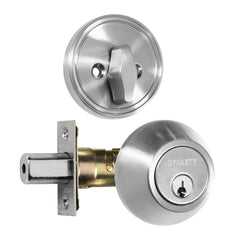
A single cylinder deadbolt features a keyhole on the exterior and a thumb turn on the interior side of the door. This design allows quick locking and unlocking from inside without a key. However, if a window is nearby, an intruder could break the glass and reach in to turn the thumb piece.
Double cylinder deadbolts
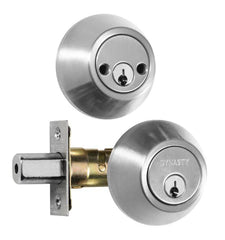
A double cylinder deadbolt has keyholes on both sides of the door. This prevents someone from unlocking the door by reaching inside, making it more secure against break-ins. However, it requires a key to unlock from inside, which can pose a safety hazard in emergencies like fire.
Which deadbolt should you choose?
Single cylinder deadbolts are suitable for most residential applications due to their convenience. Double cylinder deadbolts are often recommended for commercial properties or doors near windows where forced entry is more likely. Always weigh convenience against security, and consult with a locksmith or security professional for tailored advice.
Frequently asked questions
Are double cylinder deadbolts legal everywhere?
Not always. Some building codes restrict double cylinder deadbolts due to fire safety concerns. Check local regulations before installation.
Which deadbolt is safer in an emergency?
Single cylinder deadbolts allow for quick exit without a key, making them safer in emergencies. Double cylinder models can delay escape if a key isn’t readily available.
Can I mix single and double cylinder deadbolts in my home?
Yes. Many homeowners use single cylinders for interior security and reserve double cylinders for doors with glass panels or heightened risk of forced entry.
Conclusion
Both single and double cylinder deadbolts provide reliable security. The right choice depends on your priorities—convenience and emergency safety vs. added protection against break-ins. Carefully consider your household needs, local codes, and overall security strategy.


